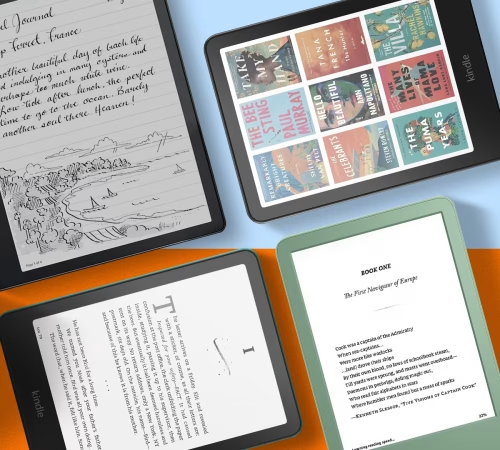
Reading great literature is one of the best ways to learn English. But it is more than that. Short stories teach you about human behavior, history, psychology, and life. Every lesson with Pete goes deeper than language.
‘Story English’ also includes learning English through the discussion of movies, series, documentaries, webtoons and just about any type of story form you choose.
One of the best ways for you to get speaking time in class is to just tell a story: A story from your day or your week from your job or your homelife.
Pete has curated over 50 classic short stories for English learners. Here is how a Story English lesson works.
Step 01
Before Class
You listen to the story and explore the supporting materials. Each story comes with free audio, supporting links, author information, and a full study guide prepared by Pete.
Step 02
During Class
You and Pete discuss the story for about 30 minutes. You analyze the characters, the themes, and what the author is really saying. The discussion is where the real learning happens.
Step 03
After Class
You keep the study guide. Re-read the story, explore the links, or join Pete’s Books & Movies WhatsApp group to keep the conversation going with other students.
Four levels of reading
You choose your level. You choose how deep you want to go.
Level 1 — Beginner
Read & Understand
Read the story and understand the basic idea. What happens? Who are the characters?
Level 2 — Intermediate
Read More Carefully
Read more carefully. Notice the characters’ names, the symbols, and the themes. What is the story really about?
Level 3 — Advanced
Go Deeper
Discuss the story with Pete. Explore characters, themes, and symbols—and maybe discover something about yourself.
Level 4 — Masterclass
Go All the Way
Longer discussions, deeper research into the author, plus supporting materials, quizzes, and richer insights.
“Remember: in a great short story, what is NOT said is often the most important thing.”
Who is this for?
You do not need to
love reading already.
This is a special program for Level B1 to C2 and native level English speakers! Many of Pete’s students discover a love of literature for the first time.
If the story is difficult, there are videos and supporting materials to help you understand. You choose your level. You choose how deep you want to go.
What will you learn?
Six things that will change how you use English
How to read and understand classic English literature
New vocabulary in context — not from a textbook
How to discuss complex ideas in English
Human behavior & psychology through storytelling
How to analyze themes, symbols, and characters
How to form & express your own opinions in English
Ready to start?
Ready to read the classics
and speak better English?
Pick a story. Read it before class. Then talk about it with Pete for 30 minutes. That’s it.
Story English is not just about books and short stories.
A story can be anything:
A classic short story or novel
A movie or film
A TV series, Netflix Series or documentary
A webtoon or graphic novel
A podcast or true crime story
Whatever YOU want to talk about
How it works with movies and series:
Just like with audio short stories — we discuss, we analyze. What happened? Why did the character do that? What does this scene tell us about human nature? What vocabulary did you notice?
The best conversations happen when the story matters to YOU. Bring Pete your favorite movie, series or show — and we’ll turn it into an English lesson.
Join the Conversation
Pete's Community
Pete has a WhatsApp community group called Pete’s Books / Movies / Series / Music a place to share songs, discover new music, and practice English through the music you love.
Access to this group is available to Pete’s students.
“Eveline” is a short story by James Joyce about a young woman torn between staying in her hard, familiar life in Dublin or running away to a new life with a man she loves. It is a quiet, powerful look at the fear of change and the weight of family duty.
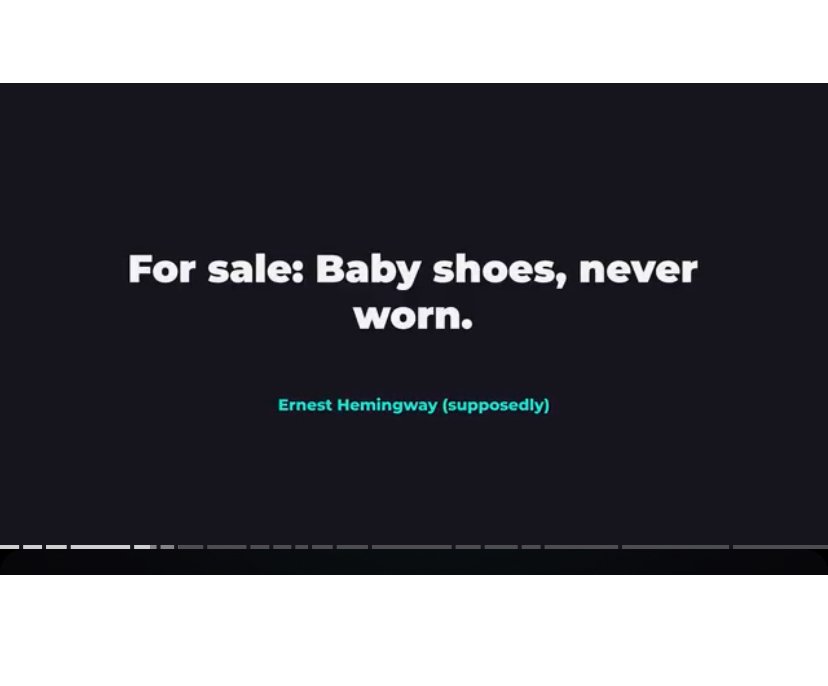
“For Sale: Baby Shoes, Never Worn” is a famous six-word story often attributed to Ernest Hemingway. The story is a thought exercise that forces the reader to use their imagination. The rest is up to YOU. What are the possibilities? What could it mean? Before you Google it or ChatGPT it, THINK about it. 💡🧠
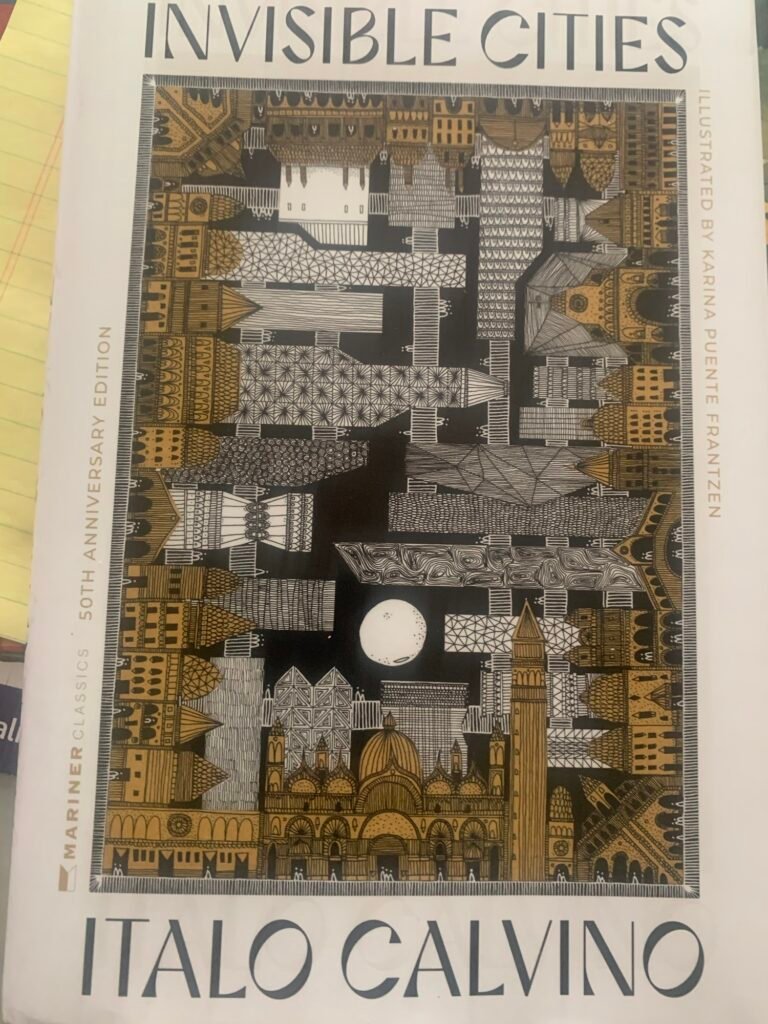
As I recently said, this was a tough book to read. So, I bought this hard cover version and will continue working on it for the next few weeks. (Again, this book is not recommended for ESL learners. Perhaps, just perhaps in your native language??) 😉
Reading definitely slows down during the summer! Even so, a student read ‘EPICAC’ by Kurt Vonnegut this week. It is long for one of our short audio stories. But, it is a fun and interesting early look at AI with a big question: Can computers ‘feel’ real love?
Some of EPICAC’s (The AI) last words: “Good luck, my friend. Treat our Pat well.” – EPICAC🥲
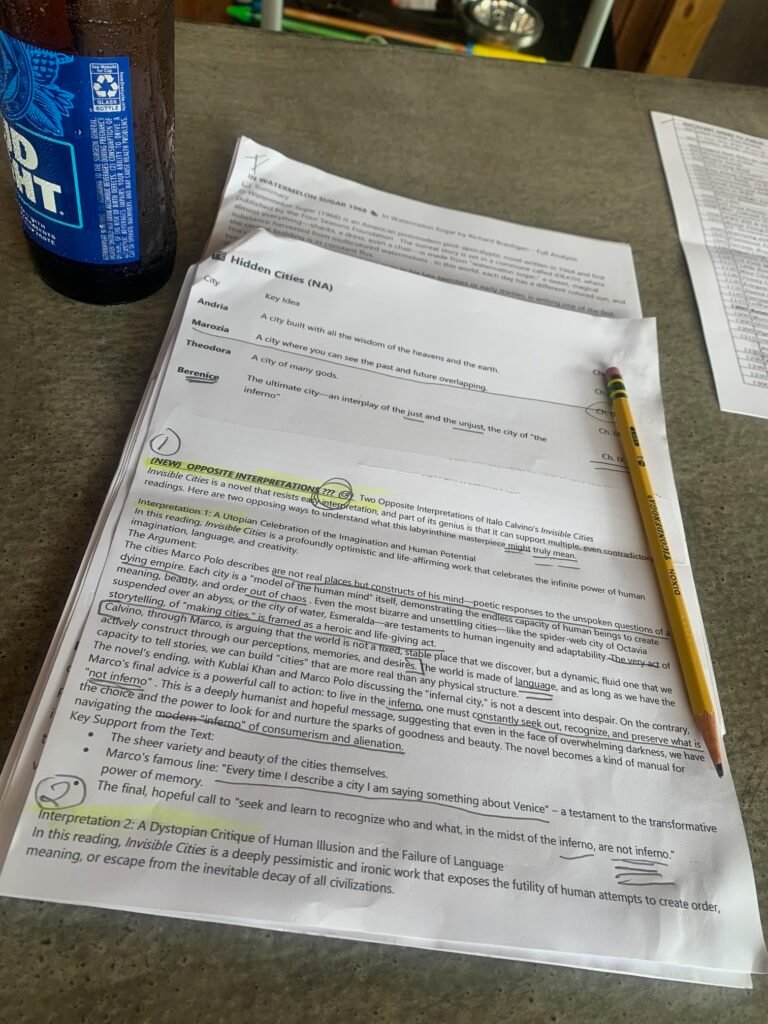
Invisible Cities is a 1972 novel by Italo Calvino, where the Mongol emperor Kublai Khan talks with the explorer Marco Polo. As the emperor feels his empire is falling apart, Marco tells him stories about 55 strange and beautiful cities, each one a dream-like place that makes you think about memory, desire, and what it means to be human.
I can’t recommend this week’s book to ESL learners in ENGLISH. I also might not recommend it your native language either. The book is interesting but just too unconventional for practical reading. I will be continuing my work on it in the coming weeks…

 STORY ENGLISH: MOVIES, SERIES AND MORE!